Every completed project is proof of your work. Photos aren’t just marketing assets—they’re credibility builders, sales tools, and long-term business insurance. Contractors who document their projects consistently win more trust, close more jobs, and protect themselves when questions arise later.
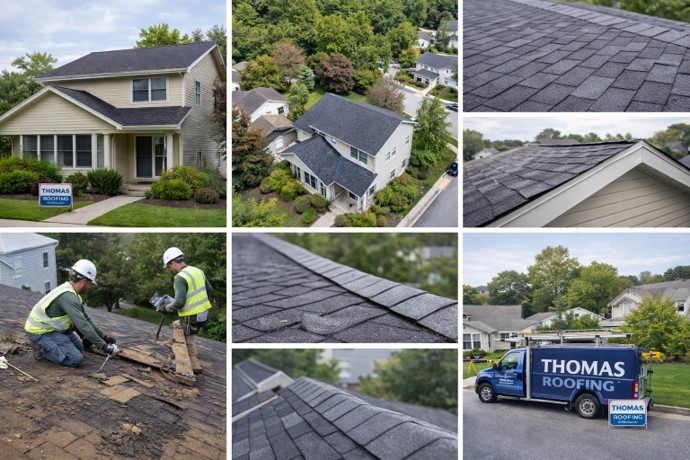
1. Before Photos: Establish the Baseline
What to capture
- Wide shots of the entire home or project area
- Close-ups of damage, wear, or problem areas
- Street-facing views when applicable
Why they matter
Before photos establish honesty. They show the real condition of the home and prove the work was necessary. These images anchor your credibility and eliminate doubt when explaining scope, pricing, or outcomes.
They also protect you. If a homeowner later questions what existed before the project, you have clear documentation.
2. Progress Photos: Show the Work, Not Just the Result
What to capture
- Tear-off or demolition stages
- Mid-project structural or system work
- Materials being installed
Why they matter
Progress photos demonstrate craftsmanship and transparency. Most homeowners never see what happens behind the scenes—these images show that real work is happening, done correctly.
They’re powerful reassurance tools during longer projects and invaluable if a dispute ever arises.
3. After Photos: Deliver the Proof
What to capture
-
The same angles as your before photos
-
Clean, finished details
-
Full exterior or room-wide shots
Why they matter
After photos close the credibility loop. When paired with before images, they create undeniable visual proof of value delivered.
These photos are essential for:
-
Winning future jobs
-
Justifying premium pricing
-
Building a professional reputation
4. Detail Shots: Highlight Craftsmanship
What to capture
-
Seams, edges, trim, and finishes
-
Material textures and quality
-
Precision areas most contractors overlook
Why they matter
Details separate professionals from amateurs. Close-up shots communicate quality without saying a word and show that you care about the small things—something homeowners absolutely notice.
5. Context Photos: Make It Real
What to capture
-
The project in relation to the home
-
Neighboring structures (when appropriate)
-
Finished work in natural lighting
Why they matter
Context helps prospects visualize the work on a real home—not a showroom or stock image. These photos feel authentic, relatable, and trustworthy.
6. Consistency Is More Important Than Perfection
You don’t need a professional camera. You need consistency.
-
Same angles before and after
-
Clear, well-lit images
-
Taken on every project
Consistency builds a library of proof over time. One project tells a story. Dozens establish authority.
The Bigger Picture: Why This Matters
Project photos:
-
Build trust before the first conversation
-
Shorten sales cycles
-
Reduce disputes and misunderstandings
-
Create reusable assets for marketing, referrals, and education
In a crowded home improvement market, homeowners don’t choose the contractor who says they do great work. They choose the one who can show it.
If you’re not documenting your projects, you’re leaving credibility—and revenue—on the table.